1st Floor, 204, AJC Bose Rd, Park Circus, Park Street area, Kolkata, West Bengal 700017
Mon – Sat: 10:00 AM – 7:00 PM
Obstructive Sleep Apnea & Snoring

Sleep Apnea — More Than a Snoring Problem

Loud snoring, witnessed breathing pauses, morning headaches, and unrefreshed sleep are not just inconveniences. Understand the risk, screen yourself, and explore non-surgical solutions.

STOP-BANG Risk Screener
AHI Severity Scale
Oral Appliance vs CPAP
Understanding OSA

What Is Obstructive Sleep Apnea?

Sleep apnea is a sleep-related breathing disorder in which breathing repeatedly stops (apnea) or becomes severely reduced (hypopnea) throughout the night. In Obstructive Sleep Apnea — the most common form — the muscles of the upper airway relax, the tongue falls backward, and the soft palate collapses, temporarily blocking airflow.

This cycle can repeat hundreds of times per night without the patient remembering waking up — yet each event fragments sleep, drops blood oxygen levels, and triggers a cascade of cardiovascular and metabolic stress responses.

Take the Risk Screener Book a Sleep Consultation
Sleep Apnea — obstructive airway collapse during sleep

The Obstructive Sleep Apnea Cycle — What Happens Each Night

1
Airway Narrows
Throat muscles relax and soft palate sags, reducing airway diameter.
2
Breathing Stops
Airflow stops or reduces for 10+ seconds per event (apnea).
3
Oxygen Drops
Blood oxygen saturation falls, triggering a stress response.
4
Brain Micro-Arousals
Brain jolts body awake to gasp and reopen the collapsed airway.
5
Sleep Fragmented
Airway reopens but deep restorative sleep is lost. Cycle repeats.
Clinical Indicators

Recognising the Signs of Sleep Apnea

Because most symptoms occur during unconscious sleep, OSA can be remarkably difficult to self-diagnose. Look out for these patterns:

Night-Time Symptoms

Often noticed by your bed partner:

  • Loud, habitual snoring
  • Witnessed pauses in breathing
  • Gasping or choking arousals
  • Restless, fragmented sleep
  • Chronic mouth breathing
  • Frequent nocturnal urination
  • Teeth grinding (sleep bruxism)

Morning Symptoms

Upon waking up:

  • Dry mouth & sore throat
  • Tension headaches
  • Unrefreshed despite 8 hours sleep
  • Jaw stiffness & clenching tightness
  • Mental fogginess or grogginess

Daytime Consequences

Impacting daily performance:

  • Excessive daytime sleepiness (EDS)
  • Inability to concentrate or focus
  • Mood changes, irritability, anxiety
  • Memory lapses & reduced output
  • Drowsiness while driving

Is Snoring the Same as Sleep Apnea?

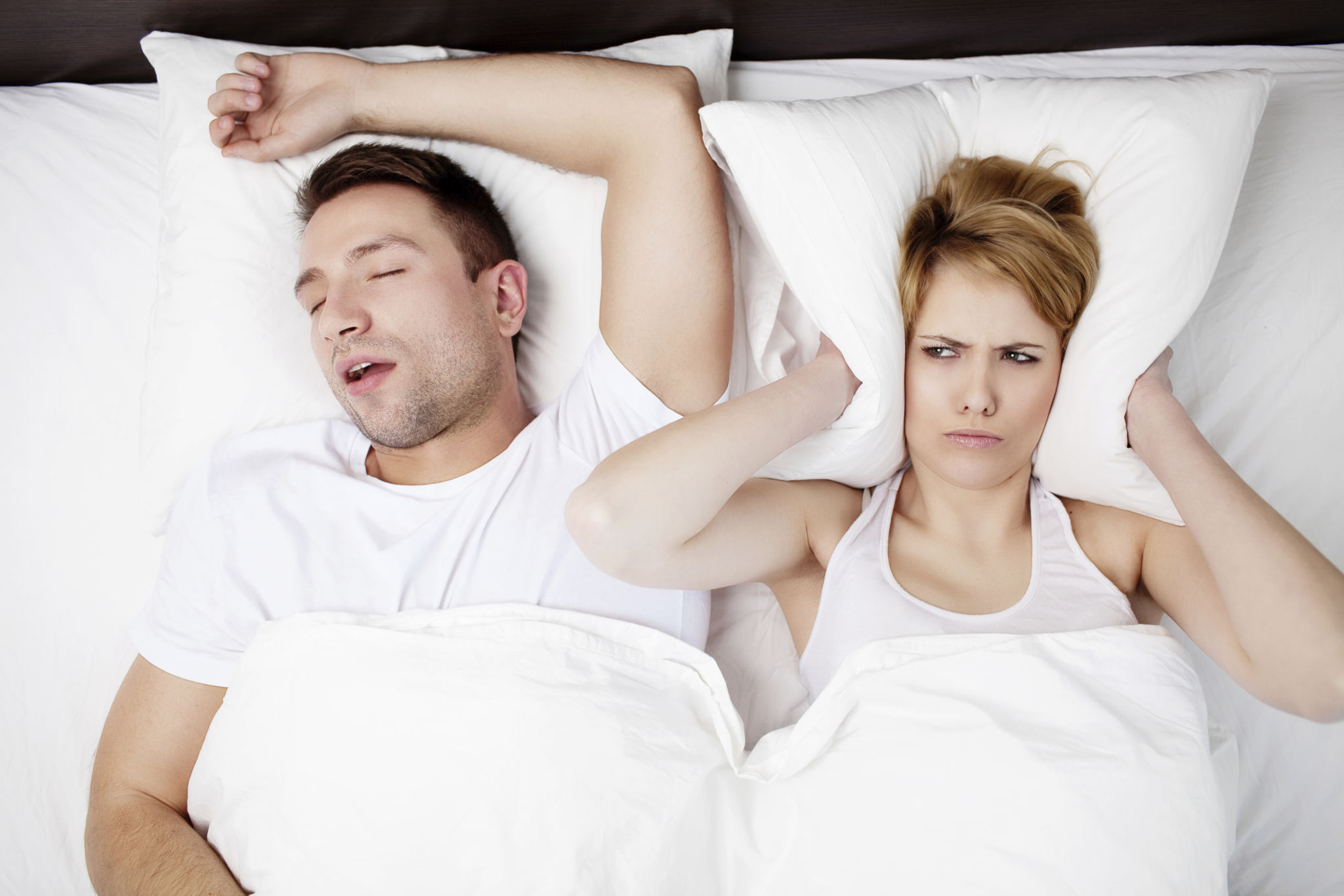
No. Snoring occurs when airflow causes relaxed throat tissues to vibrate. While not everyone who snores has sleep apnea, loud and persistent snoring — especially with gasping or witnessed pauses — is a primary clinical red flag that warrants evaluation.

"Pay attention if someone tells you: 'You stop breathing in your sleep.' That is never something to dismiss."

Why Is Sleep Apnea Dangerous?

Untreated moderate-to-severe OSA is associated with heightened risk of:

  • High blood pressure (Hypertension)
  • Cardiovascular disease & heart failure
  • Stroke & cardiac arrhythmias
  • Metabolic dysfunction & insulin resistance
  • Dangerous daytime microsleeps
Clinical Screening Tool

Interactive STOP-BANG Sleep Apnea Screener

The validated STOP-BANG questionnaire evaluates your risk for Obstructive Sleep Apnea. Answer all 8 questions below:

S
Snoring: Do you snore loudly (louder than talking or through closed doors)?
T
Tired: Do you often feel tired, fatigued, or sleepy during the daytime?
O
Observed: Has anyone observed you stop breathing or choke during sleep?
P
Pressure: Do you have or are you being treated for high blood pressure?
B
BMI: Is your Body Mass Index greater than 28 kg/m²?
A
Age: Are you older than 50 years of age?
N
Neck Size: Is your neck circumference greater than 40 cm (16 inches)?
G
Gender: Are you biologically male?
0
/ 8
Complete all questions above

Select Yes or No for each indicator to estimate your Sleep Apnea risk profile.

Schedule Evaluation
Diagnostic Index

Understanding the Apnea-Hypopnea Index (AHI)

The AHI measures the average number of apneas and hypopneas per hour of sleep. It determines OSA severity and guides treatment selection:

Mild Sleep Apnea
5 – 14.9
breathing events per hour

Often responds exceptionally well to custom Mandibular Advancement Oral Appliance Therapy (MAD). Lifestyle modifications also beneficial.

Moderate Sleep Apnea
15 – 29.9
breathing events per hour

Significant health risk. Managed with Oral Appliance Therapy or CPAP depending on patient anatomy and tolerance profile.

Severe Sleep Apnea
30+
breathing events per hour

High cardiovascular hazard. CPAP is standard first-line. Custom oral appliances are used effectively in CPAP-intolerant patients.

Treatment Modalities

Sleep Apnea Treatments: CPAP & Oral Appliance Therapy

Treatment selection depends on individual anatomy, disease severity, and sleep study results. There is no one-size-fits-all solution.

Custom oral appliance therapy mandibular advancement device
Dental Sleep Medicine

Custom Oral Appliance Therapy (MAD)

A custom-fabricated Mandibular Advancement Device gently repositions your lower jaw and tongue forward during sleep, preventing airway collapse and eliminating snoring. Silent, portable, and mask-free.

Best For: Mild-to-moderate OSA, frequent travellers, and patients unable to tolerate CPAP masks.
CPAP continuous positive airway pressure therapy
Gold Standard for Severe OSA

CPAP Therapy

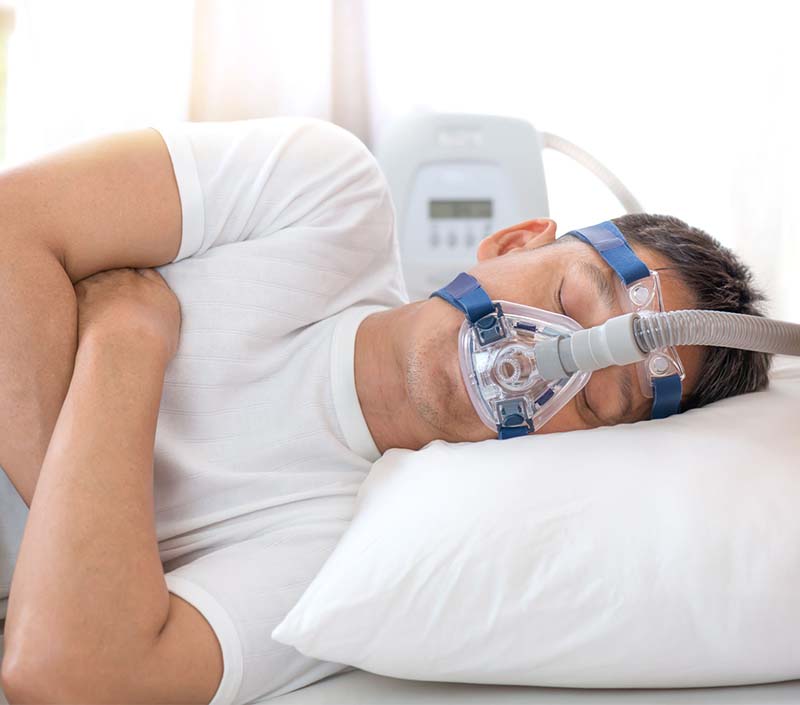
Continuous Positive Airway Pressure delivers pressurised room air through a sealed nasal or full-face mask, physically holding open relaxed airway tissues during inspiration throughout the night.

Best For: Established gold standard for severe OSA when used consistently and correctly throughout the entire night.
Multidisciplinary Collaboration

At Dental World Kolkata, we collaborate closely with Sleep Physicians, ENT Specialists, and Pulmonologists to ensure accurate polysomnography diagnosis, precise appliance titration, and objective treatment verification. A dentist can screen and treat — but diagnosis always involves proper medical evaluation.

Patient Education

Frequently Asked Questions

Sleep apnea is a sleep-related breathing disorder in which breathing repeatedly stops (apnea) or becomes significantly reduced (hypopnea) during sleep. Obstructive Sleep Apnea (OSA), the most common form, occurs when upper airway muscles and tissues relax and collapse.
Snoring alone does not confirm sleep apnea. However, snoring accompanied by witnessed breathing pauses, choking or gasping arousals, excessive daytime sleepiness, or morning headaches strongly warrants a medical evaluation.
You cannot reliably diagnose sleep apnea on symptoms alone. Objective sleep testing — either an overnight In-Lab Polysomnography (PSG) or a Home Sleep Apnea Test (HSAT) — is required for an accurate medical diagnosis.
Untreated moderate-to-severe OSA is associated with heightened risks of high blood pressure, stroke, coronary heart disease, irregular heartbeats, metabolic dysfunction, and dangerous daytime sleepiness while driving.
Treatment can effectively control sleep apnea and eliminate symptoms in many patients. The appropriate approach depends on the underlying anatomical cause, weight management, and lifestyle factors.
Yes. Children can develop obstructive sleep apnea, often presenting with loud snoring, restless sleep, mouth breathing, hyperactivity, attention difficulties, and growth concerns. Paediatric airway evaluation is strongly recommended.
No. While CPAP is an established treatment, many patients benefit significantly from custom Mandibular Advancement Oral Appliance Therapy, positional therapy, weight reduction, and lifestyle management — depending on severity and individual anatomy.
Yes. A custom mandibular advancement oral appliance (MAD) fabricated by a dentist trained in dental sleep medicine can be highly effective for adults with mild to moderate OSA, or those intolerant of CPAP therapy.
A dentist can identify anatomical risk factors, screen for airway symptoms, and provide oral appliance therapy. However, definitive medical diagnosis requires collaboration with a certified sleep physician and objective sleep testing.
Yes. When the lower jaw rests too far back or the bite is collapsed, the tongue can fall backward into the pharyngeal airway during sleep. The brain may then trigger intense nocturnal jaw clenching (bruxism) as an instinctive attempt to reopen the collapsed airway — creating a vicious cycle of both TMD and OSA symptoms.
Yes, both are evaluated together when a patient presents with overlapping symptoms. Each requires an independent diagnosis so that treatment addresses both joint stability and airway patency in harmony — often with a single well-designed oral appliance.
Take the Next Step

Poor sleep is not normal. It's treatable.

A comprehensive Sleep & Jaw evaluation can identify root causes and create a personalised treatment path — without CPAP if appropriate.

CallWhatsAppBook